There is a quiet seduction to a beautifully designed hotel. The weight of the really good sheets; the forgiveness of soft lighting. The difference is in the detail, each one calibrated to elicit absolute comfort and trigger the sense of arrival and relaxation only experienced upon check-in somewhere special. More than places to stay the night, hotels have become experiences in themselves, meticulously designed and with a story to tell. And increasingly, homeowners are taking note, taking the codes of high hospitality home with them.
As the way we live has shifted and our homes have been transformed to become our sanctuaries, as well as places to work and play, the desire to bring the escapism of a hotel into everyday life has intensified. The result is a new wave of home interiors that embrace all the hallmarks of great hospitality design.
A desire for opulence
Hotels have long dictated the visual codes of modern luxury, but today’s most compelling spaces have moved beyond grand gestures and into something quieter, more considered and more personal. The concept of “quiet luxury” first took hold in fashion but has found its truest expression in interiors. It’s the aesthetic of restraint, where tactility and provenance take precedence over opulence. Its influence is evident in the monastic serenity of the Aman group’s suites and the pared back modernism of Ian Shrager’s designs for Edition hotels. As Managing Director of Lean Projects, the interior fit-out and construction contractor behind some of the most lauded hospitality venues in London, Nick Moffat has seen hushed luxury translate into hotel design first hand.
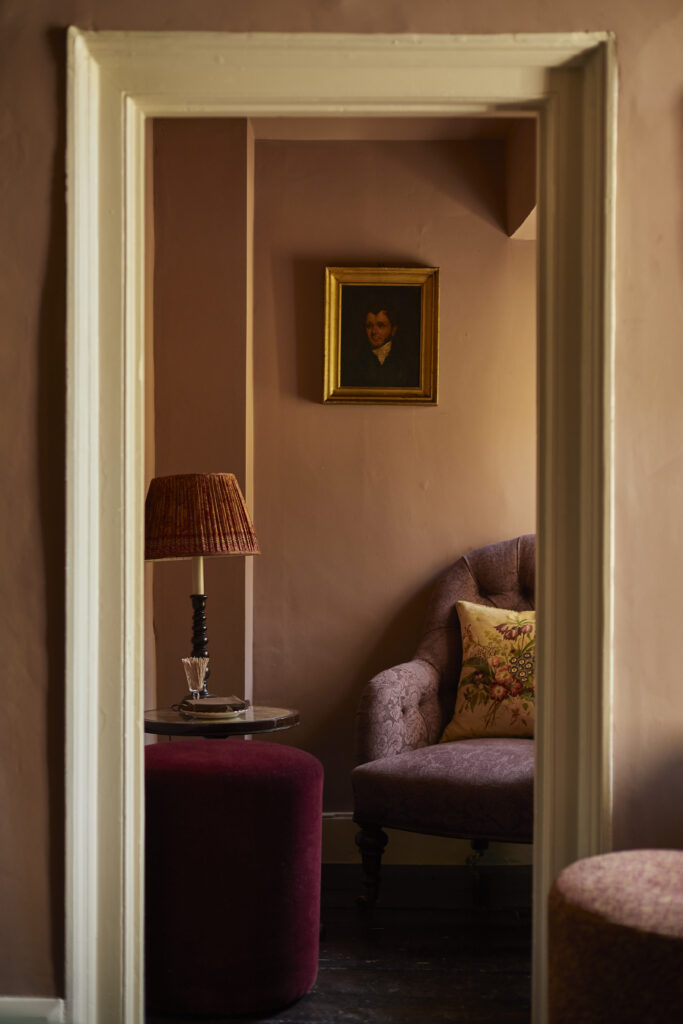
Image: The PIG
“We have seen the desire for all-out opulence replaced with a tilt towards something more understated. Polished plaster has become more prevalent; while marble adds a sense of permanence and premium to a space, the more textural feel and slightly reflective finish of polished plaster tends to mimic the depth of stone, which sits perfectly within designs that seek to reference more of the natural world. We are seeing more timber wall panelling too, as people again look to bring the outdoors in.”
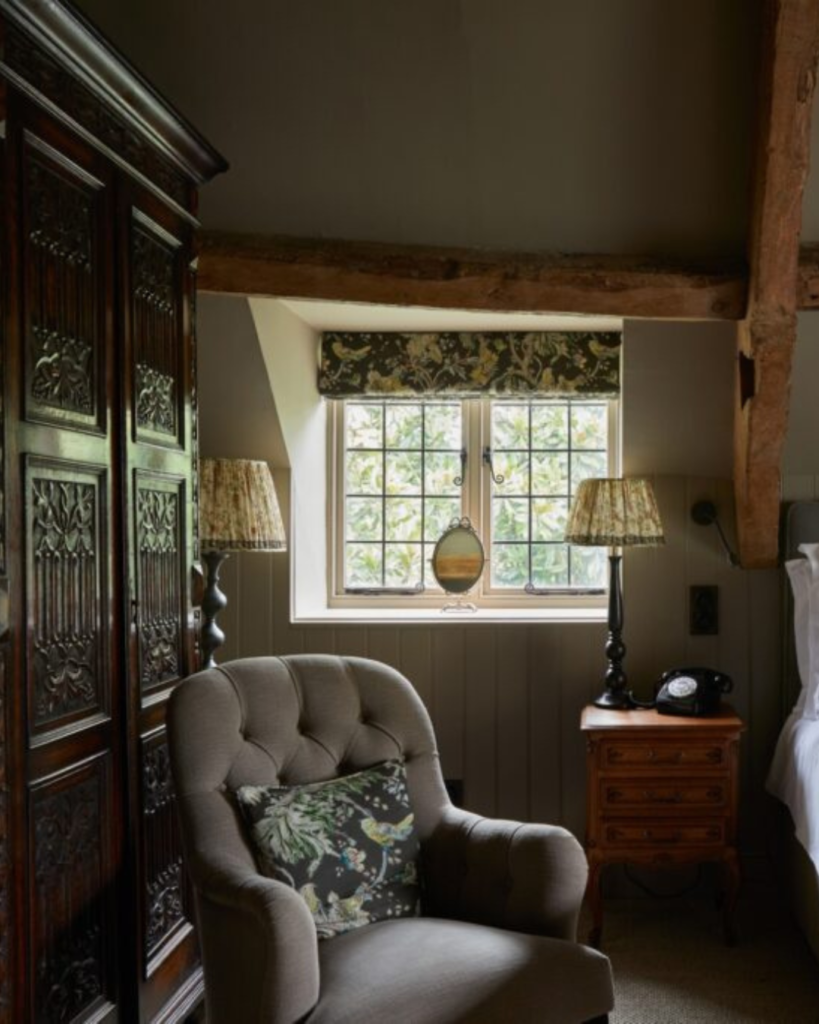
Emphasis on material
A new wave of hotel design has emerged that favours linen-wrapped walls, fluted timber and the burnished patina of bronze or brass over gold and high-gloss. Colour palettes have shifted too, with earthy neutrals, warm ochre and deep tobacco replacing stark whites and overcast greys in hotel suites. In turn, this has redefined what it means to borrow from hotel design for our own homes. There is an emphasis on materials that feel as good as they look: woven wool underfoot, the chalky softness of lime-washed walls, tactile handmade ceramics sourced either hyper-locally or curated through hours of antique shop scouring. Luxury is no longer about the obvious, but about depth and a sense of confidence in the way things come together.
Image: The PIG
Bespoke headboards
It is our bedrooms and bathrooms, unsurprisingly, that are most showing these signs of ‘hotelification’, both spaces having evolved from a place to sleep or shower into fully realised retreats. Bespoke upholstered headboards, once the hallmark of five-star stays at rural hideouts like The Pig or Chewton Glen, are now the mainstay in high-end bedroom design. With product ranges available from some of the most notable names in hospitality, we can now enjoy the best sleep of our life at the Four Seasons, then arrive home to a delivery of the very same mattress, and we can tuck ourselves into the same sateen Frette sheets we slipped between at the Waldorf Astoria.
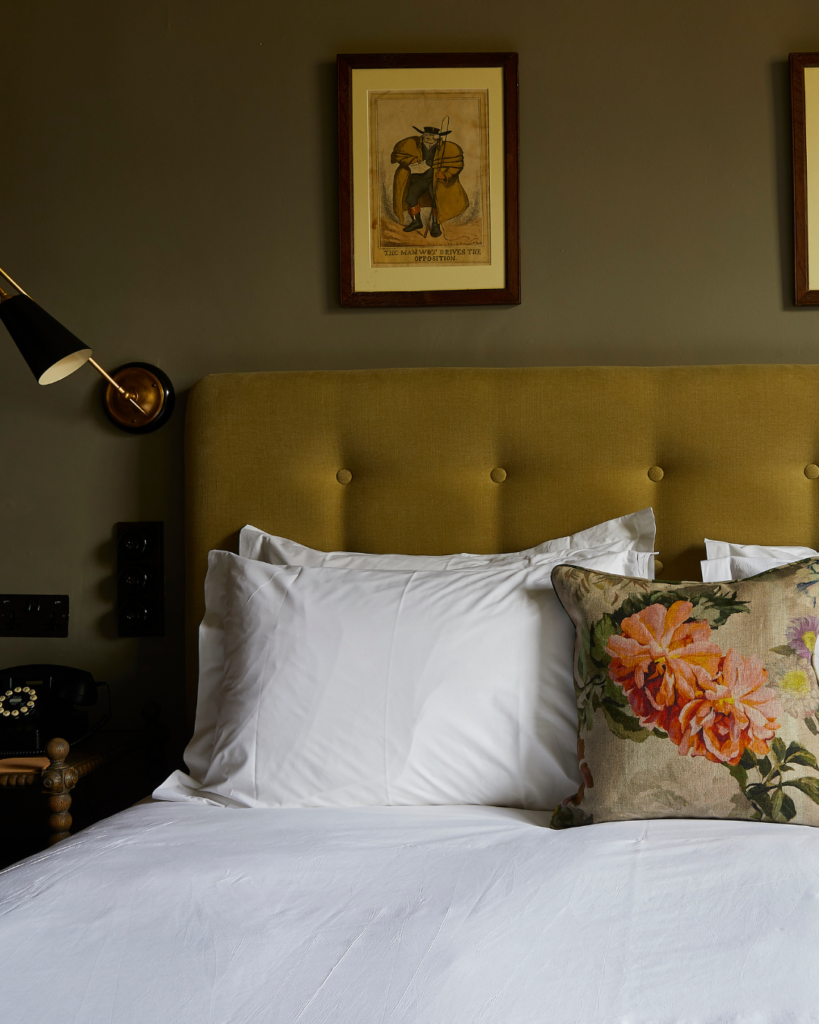
Image: The PIG, at Bridge Place
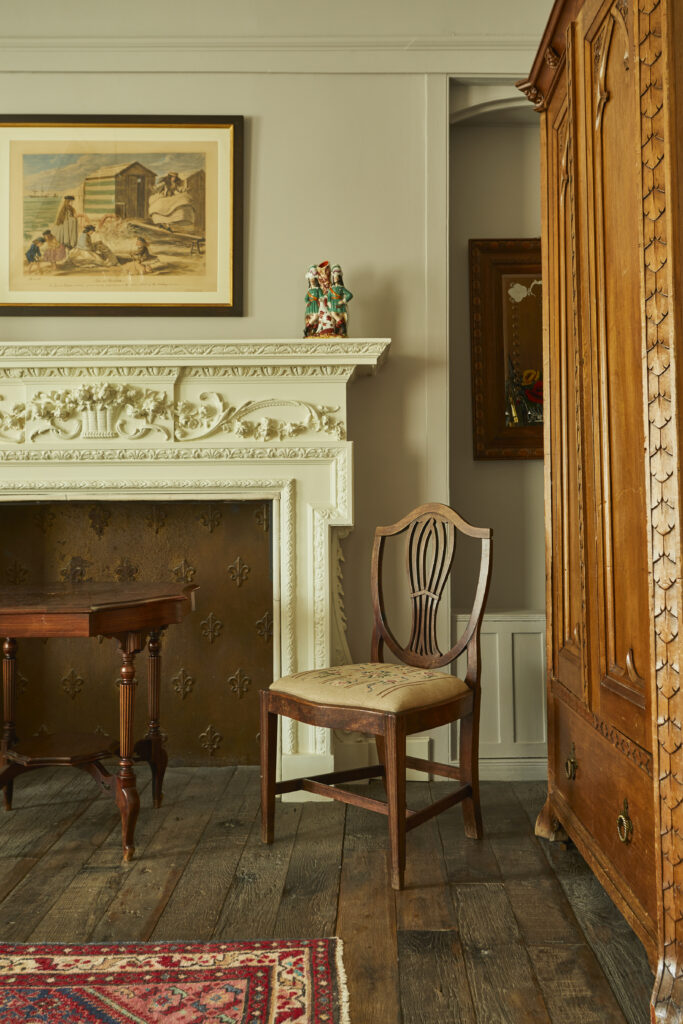
Image: The PIG, PIG on the Beach
Unapologetically indulgent
In the bathroom, our desire to bring the hotel experience home is seeing us replace the purely functional with the unapologetically indulgent. Rainfall showers, deep freestanding baths, textural tiling and considered feature lighting bring high-end spa culture home in bathroom extensions that make more than ever of a space that has traditionally been overlooked. It is a trend that Carpenter Oak, designers and makers of hand-crafted, award-winning oak frame houses and extensions, are seeing clients reference more and more.
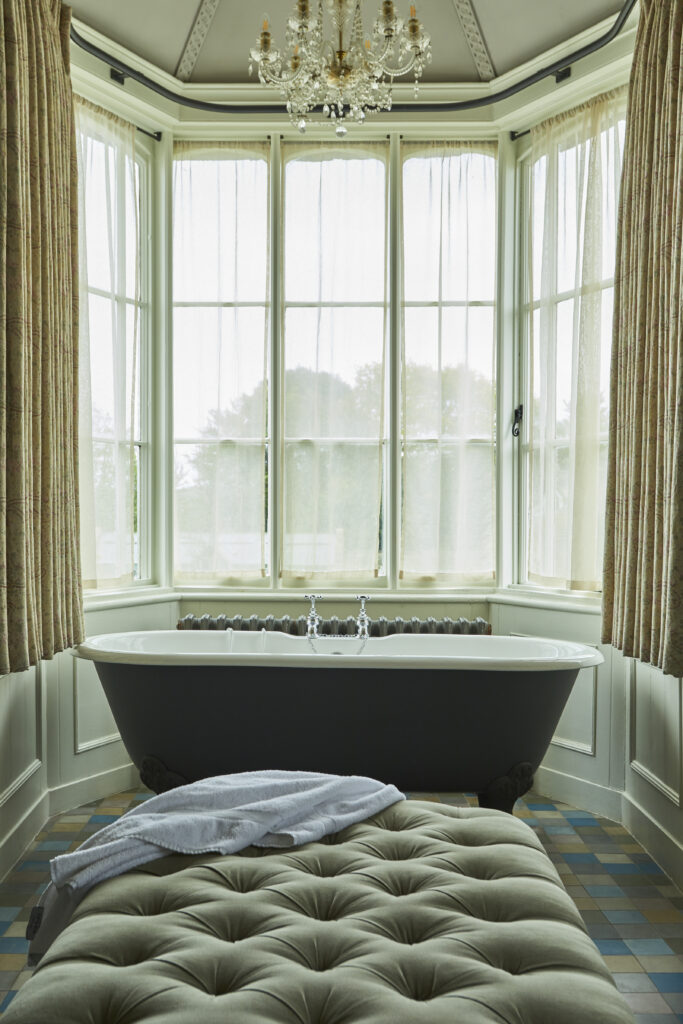
Deep freestanding baths
The Pig, Pig on the Beach
Rainfall showers
Image: Joseph Thomas / Four Seasons
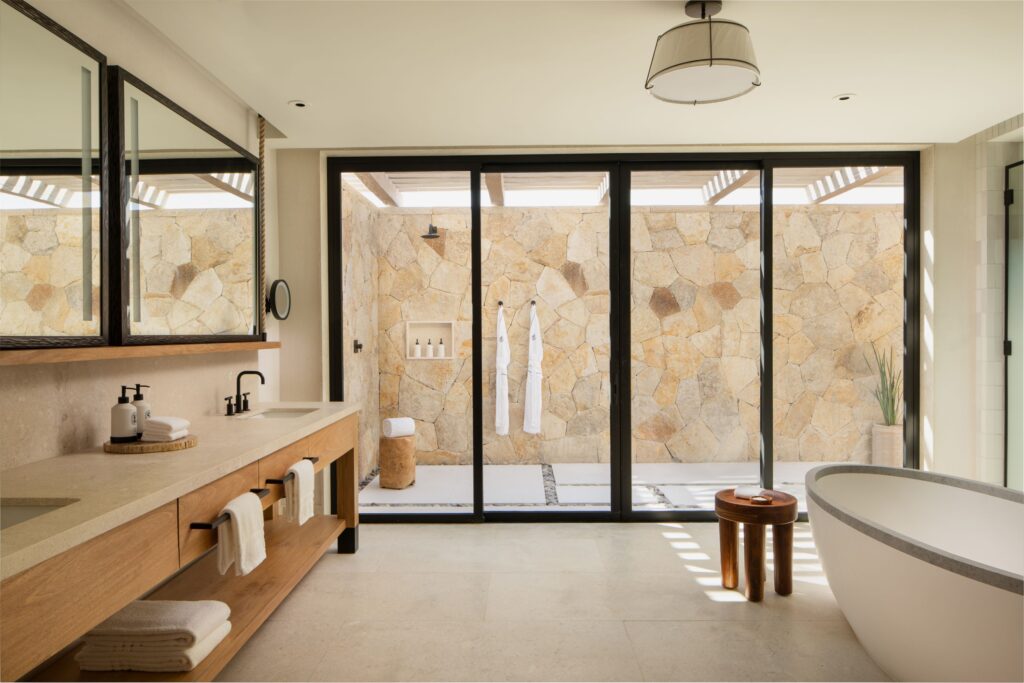
An airy feel
“In recent years, we’ve seen a growing trend of hotel-inspired design influencing residential properties. Homeowners are increasingly looking to bring the luxurious, well-thought-out aesthetics of both large and boutique hotels into their own spaces. From open plan layouts and spa-like bathrooms, to high ceilings to bring a vast, airy feel. Timber frames are particularly well-suited to this trend, offering both the design flexibility and sustainability that discerning homeowners demand.” says Luke Copley-Wilkins, Managing Director of Carpenter Oak.
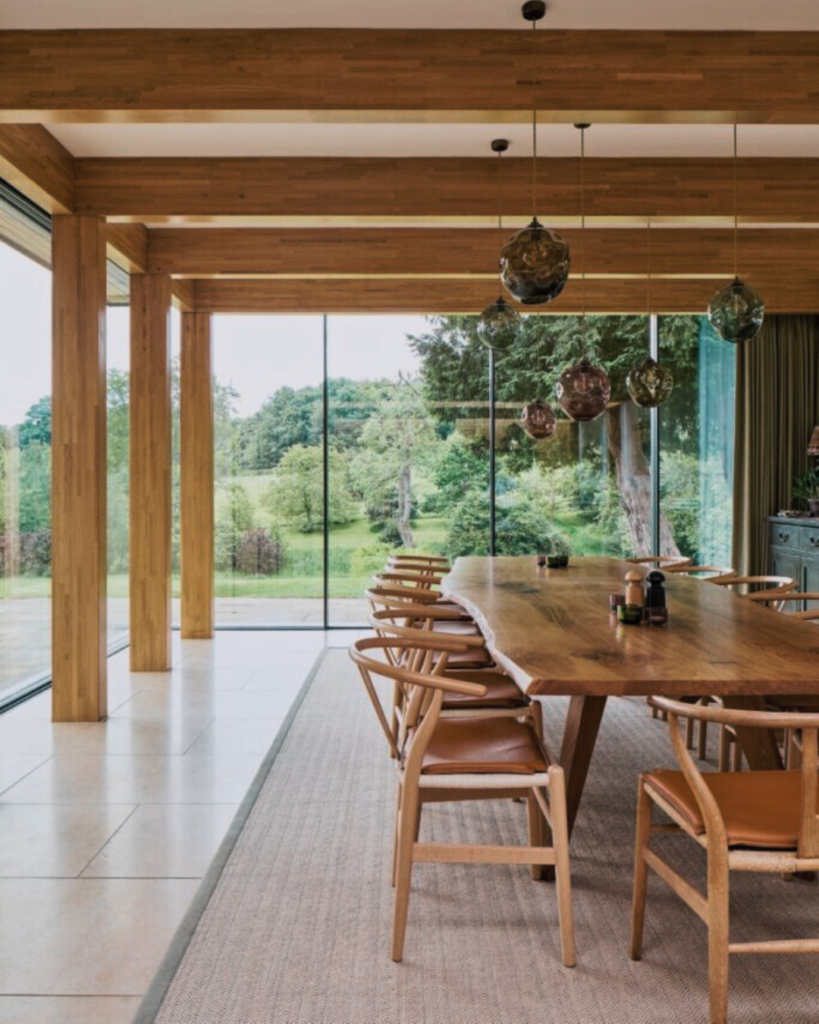
Image: Carpenter Oak
“Our clients are drawn to the warmth, character, and natural beauty timber offers. The style effortlessly creates a welcoming, high-end feel reminiscent of the world’s best hotels.”
The allure of hotel design has always been in its ability to offer us a moment of escape and absolute comfort. As our lives have become increasingly fast-paced, our homes have become more of a sanctuary than ever, and the desire to replicate that same sense of ease and escape has never been stronger. Hotels offer a masterclass in atmosphere: how lighting, texture, and layout can shape mood and enhance experience. In bringing these principles into our homes, we are creating spaces that feel not just beautiful but deeply restorative.
Hotels are a masterclass in design, and we have started taking note.